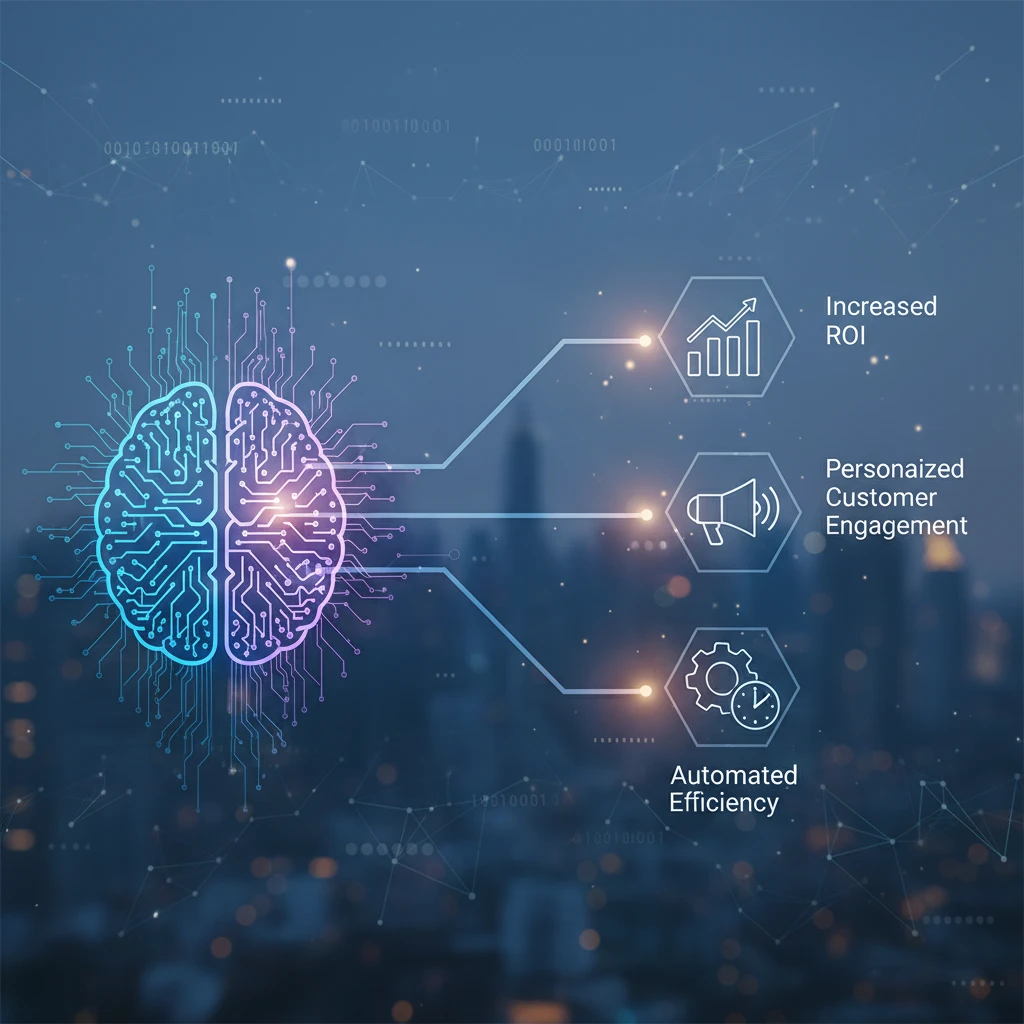

The digital marketing landscape is in constant flux. What worked yesterday might be obsolete tomorrow. This relentless pace isn’t just about new platforms; it’s about how we execute our strategies. Many marketers are finding that traditional methods, while still valuable, are no longer sufficient to keep up with customer expectations and competitive pressures. This is where intelligent automation steps in, not as a replacement for human creativity, but as a powerful amplifier.
In 2026, the question isn’t *if* you should be using AI for marketing automation, but *how* deeply integrated it is into your operations. Businesses that are embracing AI-powered tools are not just saving time; they are unlocking new levels of precision, personalization, and predictive capability. This shift is about working smarter, achieving more with less, and ultimately, driving better business outcomes. Let’s explore the core reasons why this technological evolution is so critical for modern marketers.
Why Smart Marketers Are Automating with AI in 2026
The sheer volume of data, the increasing demand for personalized customer experiences, and the fragmented nature of digital channels make manual marketing efforts incredibly challenging. Marketers are constantly juggling numerous tasks – from content creation and campaign management to performance analysis and audience segmentation. Trying to do all of this effectively without leveraging advanced tools is like trying to build a skyscraper with hand tools. The complexity and speed required in today’s market necessitate a more intelligent, automated approach. AI doesn’t just speed things up; it enables a level of insight and action that was previously impossible.
The core driver for AI adoption in marketing is efficiency. Think about the hours spent on repetitive tasks: scheduling social media posts, drafting initial ad copy, or sifting through analytics reports. AI can automate these, freeing up human marketers to focus on higher-level strategic thinking, creative ideation, and building genuine customer relationships. This isn’t about replacing the human touch but augmenting it. When AI handles the groundwork, marketers can dedicate their energy to crafting compelling narratives, understanding nuanced customer behaviors, and developing innovative campaigns that truly resonate. This strategic reallocation of resources is a significant competitive advantage.
The Pace of Change Demands Smarter Workflows
The digital ecosystem is not static; it’s a dynamic, ever-shifting environment. New trends emerge, algorithms update, and consumer behaviors evolve at an unprecedented rate. For instance, the rise of short-form video content across multiple platforms demands a continuous stream of creative assets. Similarly, changes in privacy regulations and user data accessibility require adaptive strategies for targeting and personalization. Relying solely on manual processes to keep pace with these shifts is a recipe for falling behind. AI-powered automation allows businesses to build workflows that are inherently more agile, capable of responding quickly to market changes and consumer preferences.
Consider the iterative nature of digital marketing. A campaign might require dozens of adjustments based on real-time performance data. Manually analyzing this data, identifying patterns, and implementing changes is time-consuming and prone to human error. AI tools can process vast datasets instantaneously, flagging anomalies, predicting outcomes, and even suggesting or implementing adjustments automatically. This continuous optimization loop is crucial for maintaining campaign effectiveness. It’s about building systems that learn and adapt, ensuring your marketing efforts remain relevant and impactful in the face of constant change.
Beyond the Hype: Real Efficiency Gains for Businesses
While AI in marketing has been a buzzword for years, 2026 marks a point where the practical benefits are undeniable and measurable. Many businesses are moving past theoretical discussions and seeing tangible results in areas like cost reduction, improved conversion rates, and enhanced customer satisfaction. For example, automating lead qualification processes can significantly reduce the time sales teams spend on unqualified prospects, allowing them to focus on high-potential leads. This direct impact on the bottom line is what separates genuine AI adoption from mere trend-following.
One of the most significant efficiency gains comes from AI’s ability to personalize at scale. Instead of broad-stroke campaigns, AI can help tailor messages, offers, and even entire user journeys to individual customer preferences. Imagine an e-commerce site that dynamically adjusts product recommendations and promotional banners based on a user’s past browsing and purchase history. This level of personalization, impossible to achieve manually for thousands or millions of users, leads to higher engagement and conversion rates. As seen in efforts to implement digital marketing AI, businesses can use these tools for tangible growth by delivering more relevant experiences.
Streamlining Content Creation with AI Assistants
Content remains king, but the demand for high-quality, engaging content across numerous channels is a constant challenge for marketing teams. AI assistants are transforming the content creation process by acting as powerful co-pilots. They can help overcome writer’s block, generate initial drafts, and even optimize content for various platforms. This doesn’t mean sacrificing creativity; rather, it means augmenting it. By handling the more repetitive or time-consuming aspects of content generation, AI allows human creators to focus on refining the message, injecting unique brand personality, and ensuring strategic alignment. It’s about a collaborative approach where AI provides the raw materials and foundational structure, enabling human marketers to build truly compelling narratives. This is a key component of effective content AI storytelling for business leads.
The strategic advantage here lies in speed and volume. AI tools can produce multiple content variations in minutes, allowing businesses to test different angles, tones, and formats much faster than traditional methods. This rapid iteration is invaluable for staying relevant in fast-moving markets. Furthermore, AI can analyze vast amounts of existing content and performance data to identify what resonates with specific audiences. This data-driven approach ensures that content is not only created efficiently but also optimized for maximum impact from the outset. It’s about democratizing content creation and making sophisticated content strategies accessible even to smaller teams.
Drafting Blog Posts and Social Captions Faster
The initial hurdle in content creation is often staring at a blank page. AI writing assistants can significantly reduce this friction. By providing prompts, keywords, and desired tones, marketers can quickly generate first drafts of blog posts, articles, and social media captions. For example, an AI might draft three distinct captions for a new product launch, each with a slightly different angle – one focusing on features, another on benefits, and a third on a limited-time offer. The marketer then reviews, edits, and adds their unique voice, drastically cutting down the time spent on initial drafting. This acceleration is crucial for maintaining a consistent online presence across platforms like LinkedIn, Instagram, and Twitter.
Similarly, for longer-form content like blog posts, AI can help structure arguments, suggest topic sentences, and even flesh out sections based on provided outlines. Instead of spending hours crafting introductory paragraphs, an AI might generate several options, allowing the writer to select the best starting point. This is particularly helpful for generating content pillars or informational articles. The key is understanding that these AI outputs are starting points, not final products. The human marketer’s role becomes one of expert editor and strategist, ensuring accuracy, brand voice, and a compelling narrative flow. This collaborative process is a hallmark of modern content AI providing actionable business insights.
Idea Generation and Outline Structuring
Beyond drafting, AI is proving invaluable for the ideation and planning phases of content creation. Stuck for blog topics? AI can analyze trending keywords, competitor content, and audience interests to suggest relevant and potentially high-performing ideas. For instance, a business selling sustainable packaging might ask an AI for blog post ideas related to eco-friendly business practices. The AI could then suggest topics like “The Circular Economy Explained,” “Reducing Your Carbon Footprint: Small Business Edition,” or “Innovations in Biodegradable Materials.” This broadens the creative horizon and ensures content aligns with current market demands.
Once an idea is chosen, AI can assist in structuring the content. Providing a main topic and target audience, an AI can generate a logical outline, complete with potential subheadings and key points to cover. This is incredibly useful for ensuring comprehensive coverage and a coherent narrative flow, especially for complex subjects. For example, an AI outlining a guide on prompt engineering for marketing could suggest sections on basic principles, advanced techniques, ethical considerations, and practical applications, complete with bullet points for each. This structured approach saves significant planning time and ensures that the final content is well-organized and easy for readers to digest.
AI for Content Repurposing: Maximize Your Reach
Creating content is only half the battle; making sure it reaches the widest relevant audience is the other. AI offers powerful solutions for content repurposing, transforming a single piece of content into multiple formats optimized for different platforms. Imagine a detailed blog post. An AI can help extract key statistics and insights to create engaging infographics, summarize main points into a series of social media posts, or even generate a script for a short video. This maximizes the return on content investment without requiring a complete rewrite for each format.
This is particularly effective for businesses with limited resources. Instead of producing entirely new content for each channel, they can leverage AI to adapt existing assets. A webinar transcript can be turned into a blog post series, a whitepaper can be condensed into a digestible e-book, and customer testimonials can be transformed into short video clips. The process involves AI identifying the core message and then reformatting it according to best practices for platforms like YouTube, TikTok, LinkedIn, or email newsletters. This approach is a cornerstone of efficient AI content marketing to stop guessing and start growing by extending reach and engagement through smart adaptation.
AI-Powered SEO: From Keyword Research to Optimization
Search Engine Optimization (SEO) remains a critical pillar of digital marketing, but its complexity is constantly growing. AI is revolutionizing SEO by providing deeper insights, automating tedious tasks, and enabling more strategic decision-making. Gone are the days of basic keyword stuffing. Modern SEO requires understanding user intent, semantic relationships between keywords, and the technical nuances of website performance. AI tools excel in processing vast amounts of data to identify these complex patterns, offering a significant advantage in ranking higher and attracting more qualified traffic.
The efficiency gains are substantial. Instead of manually sifting through countless search queries, AI can analyze billions of data points to uncover long-tail keywords, identify emerging trends, and predict future search behavior. This allows marketers to focus on creating content that truly addresses user needs, rather than just targeting popular terms. Furthermore, AI can monitor search engine algorithm updates and competitor strategies in real-time, enabling proactive adjustments to stay ahead. This proactive and data-driven approach is essential for sustainable SEO success in 2026, moving beyond guesswork to informed strategy. This also ties into understanding AI SEO competitor analysis secrets for businesses.
Smart Keyword Analysis and Intent Understanding
Traditional keyword research often focused on search volume and competition. AI elevates this by delving into user intent. AI tools can analyze search queries, content patterns, and user behavior to determine *why* someone is searching for a particular term. For example, someone searching for “best running shoes” likely has commercial intent (ready to buy), while someone searching for “how to choose running shoes” has informational intent. AI can differentiate these intents, allowing marketers to create content tailored to where the user is in their buyer journey.
This nuanced understanding of intent is crucial for effective SEO. By identifying the underlying needs behind search queries, businesses can create content that directly answers those questions or solves those problems. This leads to higher engagement, lower bounce rates, and ultimately, better search engine rankings. AI tools can also identify semantically related keywords and topics, helping to build topical authority around a subject rather than just targeting isolated keywords. This holistic approach to keyword analysis is fundamental for driving qualified traffic and establishing credibility in search results.
Automated On-Page Optimization Suggestions
Once content is created, optimizing it for search engines is the next critical step. AI tools can analyze existing web pages and provide specific, actionable recommendations for on-page optimization. This includes suggestions for title tags, meta descriptions, header structures, internal linking, and the strategic placement of relevant keywords and LSI (Latent Semantic Indexing) terms. For instance, an AI might suggest shortening a title tag that is too long, making a meta description more compelling to improve click-through rates, or recommending internal links to related blog posts that the user hasn’t yet discovered.
These suggestions are often based on an analysis of top-ranking pages for similar queries, combined with best practices and real-time search engine algorithm insights. The benefit is a significantly faster and more efficient optimization process. Instead of manually researching optimal meta tag lengths or keyword density, marketers can rely on AI-generated recommendations. This frees up time for more strategic tasks, such as developing comprehensive content clusters or building external backlinks. The goal is to ensure that every piece of content is technically sound and strategically positioned for maximum search visibility, contributing to overall digital marketing actionable insights for startups.
AI for Technical SEO Audits: Spotting Issues Quickly
Technical SEO is the foundation upon which content and on-page optimization are built. Issues like slow page load speeds, broken links, crawl errors, and poor mobile responsiveness can severely hinder search engine rankings. Performing comprehensive technical SEO audits manually can be a complex and time-consuming process, often requiring specialized expertise. AI-powered tools can automate much of this audit process, quickly identifying potential issues that could be impacting a website’s performance.
These tools can crawl entire websites, analyze site architecture, check for indexing problems, and even assess security vulnerabilities. They can flag issues such as duplicate content, redirect chains, or missing schema markup that might be overlooked in manual checks. By providing detailed reports and often prioritizing fixes based on their potential impact, AI empowers marketing teams to address critical technical problems efficiently. This proactive approach to technical SEO is vital for maintaining a healthy website and ensuring that search engines can effectively index and rank the site’s content, forming a crucial part of any advanced digital marketing AI strategy for businesses.
Boosting Ad Performance Through AI Automation
Paid advertising remains a cornerstone of digital marketing, driving immediate traffic and conversions. However, managing ad campaigns effectively in today’s complex advertising ecosystem demands sophisticated strategies. AI automation is transforming ad performance by enabling more precise targeting, dynamic bidding, personalized ad creative, and continuous optimization. The goal is to move beyond generic campaigns and deliver highly relevant ad experiences to the right audiences at the right time, maximizing return on ad spend (ROAS).
AI’s ability to process vast amounts of data in real-time allows for unprecedented levels of campaign management. This includes identifying micro-segments within broader audiences, predicting which ad creatives will perform best for specific user groups, and dynamically adjusting bids based on conversion probability. The result is a more efficient allocation of advertising budgets, reduced wasted spend, and significantly improved campaign outcomes. For businesses looking to scale their paid media efforts, AI-driven automation is no longer a luxury but a necessity for staying competitive and achieving measurable growth.
Audience Segmentation and Predictive Bidding
Effective audience segmentation is key to delivering personalized ad experiences and improving conversion rates. AI can analyze user data – including demographics, interests, online behavior, and past interactions – to create highly granular audience segments. This goes far beyond basic demographic targeting. For example, AI can identify users who are showing high purchase intent for a specific product category based on their browsing history and recent search queries, even if they haven’t explicitly searched for the brand.
Coupled with predictive bidding strategies, this granular segmentation becomes incredibly powerful. AI algorithms can predict the likelihood of a specific user converting from an ad impression. Based on this prediction, the system can automatically adjust bids in real-time – bidding higher for users with a higher conversion probability and lower for those with less intent. This ensures that advertising budgets are spent more efficiently, focusing on prospects most likely to become customers. This intelligent approach to bidding and targeting is fundamental to achieving superior results with AI marketing, as discussed in articles on AI marketing for smarter campaigns and real results.
Ad Copy Generation and A/B Testing at Scale
Crafting compelling ad copy that resonates with different audience segments is a constant challenge. AI tools can generate multiple ad variations – headlines, descriptions, and calls-to-action – tailored to specific audience profiles and campaign objectives. For instance, an AI can produce several ad variations for a new software feature: one highlighting efficiency gains for busy professionals, another emphasizing cost savings for budget-conscious startups, and a third focusing on ease of use for beginners.
Furthermore, AI significantly accelerates A/B testing. Instead of manually setting up and monitoring numerous ad variations, AI can automatically generate and test hundreds of combinations of headlines, images, and calls-to-action. It can then dynamically allocate more budget to the best-performing variations and phase out underperforming ones in near real-time. This iterative testing process, powered by AI, allows for continuous optimization of ad creatives, ensuring that campaigns are always showing the most effective messaging to the target audience. This rapid experimentation and adaptation is crucial for maximizing campaign performance.
Performance Monitoring and Budget Allocation Insights
Monitoring ad campaign performance across multiple platforms and channels manually is incredibly time-consuming and often leads to delayed decision-making. AI automation can provide real-time performance dashboards, highlighting key metrics, trends, and anomalies. More importantly, AI can offer predictive insights into future performance based on current trends and historical data. This allows marketers to anticipate potential issues or opportunities before they significantly impact results.
AI can also offer intelligent recommendations for budget allocation. By analyzing which campaigns, ad sets, or keywords are delivering the best ROI, AI can suggest reallocating budget towards higher-performing areas and away from underperforming ones. For example, if an AI identifies that ads targeting a specific long-tail keyword are generating a disproportionately high number of conversions at a low cost, it might recommend increasing the budget for that keyword. This data-driven budget optimization ensures that marketing spend is directed where it will yield the greatest returns, a key aspect of effective digital marketing AI for small businesses aiming for efficiency.
AI in Social Media Management: Consistency and Engagement
Social media demands a consistent presence and genuine interaction. AI tools can dramatically streamline these efforts, ensuring your brand remains visible and responsive. For instance, AI can analyze peak engagement times for your audience and automatically schedule posts, removing the guesswork and manual effort. This consistency is crucial for building audience trust and maintaining momentum, especially for businesses juggling numerous marketing channels. The goal here is to achieve a reliable posting rhythm without overwhelming your internal team. AI doesn’t just post; it can also help curate relevant content from across the web, suggesting articles, industry news, or user-generated content that aligns with your brand voice and audience interests. This keeps your feed fresh and valuable, positioning your brand as a knowledgeable resource. You might think this sounds like just another scheduling tool, but the intelligence behind it is what makes the difference, allowing for dynamic adjustments based on real-time performance data rather than static, pre-set schedules. This shift from manual to automated consistency is a cornerstone of efficient digital marketing today.
Automated Posting Schedules and Content Curation
Manually determining optimal posting times and sourcing relevant content can be a significant time drain. AI excels at analyzing vast datasets to identify patterns in audience behavior. It can predict when your specific followers are most active and receptive to content, suggesting or automatically scheduling posts for those precise windows. This isn’t just about setting a timer; it’s about intelligent timing driven by data. Furthermore, AI-powered content curation tools can scan articles, blogs, and social feeds, identifying pieces that resonate with your brand’s niche and audience preferences. They can even suggest how to rephrase or adapt this content to fit your unique voice, saving considerable research and content creation time. For example, an AI might identify a trending topic in your industry and propose three relevant articles to share, along with initial caption ideas. This proactive approach ensures your social channels remain dynamic and engaging, fostering a consistent brand voice and reducing the burden on your marketing team. It’s like having a dedicated research assistant that never sleeps, constantly sifting through information to find valuable gems for your audience. You’re still in charge of the final approval, of course, but the heavy lifting is significantly reduced.
Sentiment Analysis for Brand Monitoring
Understanding how your audience perceives your brand is paramount. AI-driven sentiment analysis tools can process mentions of your brand across social media, forums, and review sites, categorizing them as positive, negative, or neutral. This provides an instant pulse check on public opinion. It allows you to quickly identify and address any emerging issues or negative feedback before they escalate, and conversely, to amplify positive mentions and engage with satisfied customers. For instance, if an AI detects a surge in negative comments related to a recent product update, your team can be alerted immediately to investigate and respond. This proactive monitoring is invaluable for reputation management and customer service. You might think that simply reading comments is enough, but AI can process thousands of mentions in minutes, something a human team simply cannot replicate. It also helps uncover nuances in language that might be missed by manual review, such as sarcasm or subtle criticisms. This deep dive into customer sentiment provides actionable data to inform product development, marketing messaging, and overall customer experience strategies.
Personalized Engagement Strategies
Generic responses on social media can feel impersonal and ineffective. AI can help move beyond one-size-fits-all interactions by enabling personalized engagement. By analyzing user profiles, past interactions, and expressed interests, AI can help tailor responses and content recommendations to individual users. For example, if a user frequently engages with your posts about sustainable fashion, an AI could flag them for personalized outreach or recommend specific products related to that interest. This hyper-personalized approach fosters stronger connections and increases the likelihood of conversion. It’s about making each customer feel seen and understood, even at scale. AI can also identify potential brand advocates or influencers based on their engagement patterns and content, suggesting personalized outreach strategies to nurture these relationships. While the idea of personalizing every single interaction might seem overwhelming, AI provides the tools to identify key opportunities and automate personalized touches, making your social media efforts more impactful and efficient. This strategic personalization can significantly boost customer loyalty and brand advocacy.
Prompt Engineering: The Key to Unlocking AI’s Potential
Artificial intelligence, particularly large language models (LLMs), is incredibly powerful, but its effectiveness hinges on how you interact with it. This is where prompt engineering comes in. Think of a prompt as the instruction you give to the AI. A well-crafted prompt is the difference between a generic, unhelpful response and a precise, actionable output. For businesses looking to harness AI for marketing, mastering prompt engineering is not just beneficial; it’s essential for driving tangible results. It’s the skill that translates the raw capability of AI into tailored solutions for specific marketing challenges. You’re not just asking a question; you’re guiding an intelligent system to perform a task. This involves understanding the AI’s limitations, its training data, and how to phrase requests to elicit the desired outcome. Without effective prompting, you might find yourself frustrated with AI’s output, perhaps getting answers that are too broad, too vague, or simply not relevant to your business needs. It’s about learning the language of AI to unlock its full potential and avoid the pitfalls of generic or inaccurate responses. This is where solving business marketing puzzles with AI truly begins.
Crafting Effective Prompts for Marketing Tasks
Creating prompts that yield high-quality marketing outputs requires a strategic approach. It’s more than just asking for “marketing copy.” Effective prompts clearly define the task, specify the desired format, outline the target audience, and indicate the tone of voice. For instance, instead of asking an AI to “write a social media post,” a better prompt would be: “Write three distinct Instagram captions for a new eco-friendly water bottle launch. The target audience is young professionals aged 25-35 who value sustainability. Use an enthusiastic and informative tone, highlighting the bottle’s durability and environmental benefits. Include relevant hashtags.” This level of detail provides the AI with specific parameters to generate relevant content. You should also consider including negative constraints, such as “do not mention price” or “avoid overly technical jargon.” This precision ensures the AI’s output aligns perfectly with your campaign objectives, saving significant editing time. Learning to construct these detailed prompts is a core skill for anyone looking to integrate AI into their marketing workflow effectively. It’s about being the director, not just a passive observer, of the AI’s creative process.
Iterative Prompt Refinement for Better Outputs
The first prompt you write might not always produce the perfect result. Prompt engineering is an iterative process, meaning you refine your prompts based on the AI’s initial output. If the AI generates content that is too generic, you might refine the prompt to be more specific about the industry context or unique selling propositions. If the tone is off, you can adjust the descriptive words related to the desired mood. This involves a cycle of prompting, evaluating, and adjusting. For example, after receiving a draft social media post, you might notice it lacks a strong call to action. Your next prompt could be: “Revise the previous Instagram caption to include a clear call to action, encouraging users to visit our website for more details.” This continuous feedback loop is critical for optimizing AI-generated content. It’s about a dialogue with the AI, guiding it towards increasingly accurate and valuable responses. You’re not just asking; you’re collaborating. This iterative refinement allows you to fine-tune AI tools for a vast array of marketing tasks, from blog post outlines to ad copy variations, ensuring you consistently get outputs that meet your high standards.
Common Prompting Mistakes to Avoid
Several common mistakes can hinder the effectiveness of your AI prompts. One is being too vague. Asking an AI to “write about marketing” will yield a broad, unfocused response. Conversely, being overly complex with too many conflicting instructions can confuse the AI. Another mistake is not specifying the desired output format or length. If you need bullet points, you must ask for them. If you need a 500-word blog post, state that explicitly. Also, failing to provide sufficient context about your brand, audience, or campaign goals can lead to irrelevant or off-brand content. It’s important to remember that AI models don’t inherently “know” your business. You have to provide the necessary context and constraints. Lastly, expecting perfection on the first try can lead to frustration. As we discussed, iterative refinement is key. By understanding these common pitfalls, you can construct more effective prompts from the outset, saving time and improving the quality of AI-generated marketing materials. Think of it as troubleshooting your communication with the AI to get it on the right track from the start.
Automating Customer Journeys and Personalization
Modern marketing success hinges on delivering personalized experiences at every touchpoint. AI automation can transform the customer journey, making it more seamless, relevant, and engaging for each individual. This moves beyond basic segmentation to truly adaptive communication. For businesses, this means nurturing leads more effectively, improving customer retention, and boosting overall satisfaction. By analyzing customer data, AI can predict needs, preferences, and potential pain points, allowing for proactive and tailored interactions. This isn’t just about efficiency; it’s about building stronger, more meaningful relationships with your audience at scale. From initial outreach to post-purchase support, AI-driven automation ensures that the right message reaches the right person at the right time, creating a cohesive and highly personalized customer experience. This intelligent orchestration of the customer journey is becoming a significant differentiator in today’s competitive landscape, demonstrating a clear understanding of each customer’s unique path. Mastering these automated journeys is key to creating smarter campaigns with real results.
AI-Driven Email Marketing Sequences
Email marketing remains a powerful channel, but its effectiveness can be amplified exponentially with AI automation. AI can analyze customer behavior, purchase history, and engagement patterns to trigger highly personalized email sequences. For example, an AI can initiate a welcome series for new subscribers, a re-engagement campaign for inactive users, or a post-purchase follow-up sequence recommending complementary products. These sequences are not static; they can adapt based on a recipient’s interactions, such as clicking a link or making a purchase, ensuring the content remains relevant. This dynamic personalization significantly increases open rates, click-through rates, and conversion rates compared to generic email blasts. You might be sending out thousands of emails, but if they aren’t personalized, they might as well be going into a black hole. AI helps ensure that each email serves a specific purpose within a larger, intelligently orchestrated customer journey. By segmenting audiences more granularly and automating tailored communication flows, businesses can cultivate stronger customer relationships and drive better campaign performance, moving beyond simple bulk sends to truly impactful one-to-one communication at scale.
Personalized Website Experiences
A static website can feel uninspiring and irrelevant to many visitors. AI allows for dynamic personalization of the website experience, tailoring content, product recommendations, and calls to action based on user data. For instance, an AI can identify a returning visitor’s interests based on their browsing history and display relevant product categories or promotional banners. If a user is new, the AI might showcase popular items or guides tailored to common entry points. This real-time adaptation makes the website feel more intuitive and responsive to individual needs. For e-commerce businesses, this can translate directly into higher conversion rates and increased average order value, as visitors are shown products they are more likely to purchase. You might think that website personalization is complex, but AI tools are making it more accessible. They can analyze user behavior in real-time and adjust the on-site experience accordingly, making every visit more relevant and productive for the visitor. This continuous optimization ensures your website is not just a digital brochure but an active participant in guiding users towards their goals.
Chatbot Integration for Instant Support
Customer support expectations have shifted; users want immediate answers and assistance. AI-powered chatbots offer a powerful solution, providing 24/7 instant support and addressing common customer queries efficiently. These chatbots can handle a wide range of tasks, from answering frequently asked questions and guiding users through website navigation to processing simple transactions or appointment bookings. By integrating with your knowledge base and CRM, chatbots can provide contextually relevant and personalized responses. This not only frees up human support agents to handle more complex issues but also significantly improves customer satisfaction by reducing wait times. You might be wondering if a chatbot can truly understand customer needs. Modern AI chatbots are sophisticated enough to process natural language, detect intent, and offer helpful solutions, often escalating to a human agent only when necessary. This seamless integration of AI into customer support ensures that every customer query is addressed promptly and effectively, enhancing the overall customer experience and reducing operational costs for the business.
Data Analysis and Reporting Made Effortless
In the realm of digital marketing, data is king. However, sifting through vast amounts of performance metrics to extract meaningful insights can be a daunting and time-consuming task. AI automates much of this analytical heavy lifting, transforming raw data into actionable intelligence. This allows marketing teams to focus on strategy and execution rather than getting bogged down in manual data processing. From tracking key performance indicators (KPIs) to identifying emerging trends, AI provides the tools to understand what’s working, what’s not, and why. This data-driven approach is crucial for optimizing campaigns, allocating budgets effectively, and making informed decisions that drive business growth. You might think that analyzing data is for data scientists, but AI democratizes this process, making sophisticated analysis accessible to every marketer. By cutting through the noise, AI empowers businesses to gain a clearer understanding of their performance and to pivot their strategies with agility and confidence. This is how businesses move from guesswork to guaranteed growth through insightful analysis, making actionable insights for startups a reality.
Automated KPI Tracking and Anomaly Detection
Monitoring Key Performance Indicators (KPIs) is fundamental to understanding marketing campaign success. AI automates this process by continuously tracking predefined metrics across various platforms, from website traffic and conversion rates to social media engagement and ad spend. More importantly, AI excels at anomaly detection, flagging significant deviations from expected performance patterns. For example, if your website traffic suddenly drops or a specific ad campaign’s conversion rate plummets unexpectedly, the AI can alert you immediately. This proactive notification allows your team to investigate the cause and implement corrective measures before the issue significantly impacts your business goals. You might think that simply looking at dashboards is enough, but AI goes further by identifying unusual trends that might escape human observation in vast datasets. This ability to spot anomalies quickly is invaluable for maintaining campaign health and ensuring you’re not missing critical opportunities or encountering hidden problems.
Predictive Analytics for Future Trends
Moving beyond analyzing past performance, AI-powered predictive analytics allows businesses to forecast future outcomes and anticipate market shifts. By analyzing historical data, current trends, and external factors, AI models can predict customer behavior, potential sales volumes, and the likely success of future marketing initiatives. For example, an AI might predict that a particular product will see increased demand in the next quarter or identify emerging consumer preferences that could shape future campaigns. This foresight enables businesses to proactively adjust their strategies, allocate resources more effectively, and capitalize on upcoming opportunities. It’s like having a crystal ball for your marketing efforts, grounded in data rather than speculation. You might not be able to predict the future with 100% accuracy, but AI provides a much more informed and data-backed outlook than traditional forecasting methods. This predictive capability is a game-changer for strategic planning, allowing businesses to stay ahead of the curve and maintain a competitive edge.
Generating Actionable Insights from Raw Data
Raw data, in its unprocessed state, offers little practical value. AI’s true power lies in its ability to transform this raw data into clear, actionable insights that marketers can immediately implement. Instead of presenting a deluge of numbers, AI platforms can generate reports that highlight key findings, explain the ‘why’ behind performance trends, and suggest specific actions to improve results. For instance, an AI might analyze customer feedback and identify a common pain point, then recommend a specific content marketing strategy to address it. This translation of data into strategy is critical for efficiency and effectiveness. You don’t need to be a data scientist to understand AI-generated insights; the goal is to make complex information accessible and actionable. This allows marketers to move quickly from understanding a problem or opportunity to implementing a solution, thereby maximizing the impact of their marketing efforts and achieving better business outcomes. This is how AI turns mountains of data into a clear roadmap for growth, much like finding actionable business insights from complex information.
Choosing the Right AI Tools for Your Business Needs
Selecting the appropriate AI tools requires a strategic approach, moving beyond the latest trends to focus on tangible business objectives. The first step involves a thorough examination of your current workflows and identifying specific pain points. Where are the bottlenecks? Which repetitive tasks consume the most valuable human hours? For instance, a small e-commerce business might find its customer service overwhelmed with common inquiries, suggesting an AI chatbot as a prime candidate. Conversely, a content agency struggling with content ideation and first drafts could benefit from AI-powered writing assistants. Understanding these operational friction points is crucial. Tools like AI tools, when aligned with specific needs, move from being experimental novelties to genuine efficiency drivers. This diagnostic phase prevents investing in solutions that don’t address actual problems.
Assessing Your Current Workflows and Pain Points
To effectively choose AI tools, you must first dissect your existing processes. Ask yourself: what tasks are time-consuming, prone to human error, or simply tedious? For example, manually segmenting email lists or generating basic social media captions can be areas ripe for automation. Consider the costs associated with these inefficiencies – lost time, missed opportunities, or decreased employee morale. Detailed process mapping can reveal hidden redundancies. A common pain point for businesses is the sheer volume of data analysis required for marketing campaigns. If your team spends days compiling reports instead of strategizing, that’s a clear signal. Similarly, if lead qualification is a manual, inconsistent process, AI-driven lead scoring could offer significant improvements. The goal here is to pinpoint exactly where AI can deliver the most impactful return on investment by solving concrete problems.
Evaluating AI Tool Capabilities and Integration
Once pain points are identified, the next step is to evaluate AI tools based on their specific capabilities and how well they can integrate with your existing tech stack. Don’t just look at feature lists; consider practical application. A tool that promises advanced natural language processing is less useful if its API is poorly documented or requires extensive custom development to connect with your CRM. Look for tools that offer seamless integration with platforms you already use, such as your email marketing service, CRM, or project management software. For example, if you’re using HubSpot, an AI content generation tool that integrates directly could streamline content creation significantly. Also, consider the learning curve. Some advanced AI platforms require specialized knowledge, like prompt engineering, which is critical for getting the best results from generative AI models. Resources for understanding this are becoming more accessible, allowing users to better harness AI’s potential. Assessing the vendor’s support and community can also be vital, especially for complex deployments.
Budget Considerations: Free vs. Paid AI Solutions
Budget is a practical constraint that significantly influences AI tool selection. While many AI tools offer free tiers or trials, these often come with limitations on usage, features, or support. For businesses with minimal budgets, starting with free or freemium AI tools can be an excellent way to experiment and understand AI’s capabilities. Tools for basic content summarization or social media post scheduling might fit this category. However, for more robust automation or specialized tasks, paid solutions are often necessary. These paid tools typically offer advanced features, higher usage limits, dedicated customer support, and better integration options. For instance, a comprehensive AI SEO analysis tool that provides deep competitor insights might require a monthly subscription, but the value it delivers through improved campaign performance can far outweigh the cost. It’s important to perform a cost-benefit analysis, considering not just the subscription fee but also the potential gains in efficiency and revenue. AI for small business growth often hinges on finding this budget-friendly yet effective balance.
Pitfalls and Ethical Considerations in AI Automation
While AI automation promises remarkable efficiency gains, it’s not without its complexities and potential downsides. Overlooking these can lead to unintended consequences, impacting both operational effectiveness and brand reputation. A primary concern is the risk of over-reliance on AI, which can lead to a gradual erosion of critical human skills and oversight. When AI systems handle too much without human review, errors can propagate unchecked, and innovative solutions might be missed because the AI was trained on historical data that doesn’t account for new market dynamics. It’s crucial to remember that AI is a tool, not a replacement for human judgment and creativity. This is particularly true in areas like content creation, where authenticity and nuance are paramount. The ethical landscape also demands careful navigation, especially concerning data privacy and ensuring that AI outputs reflect brand values rather than generic, potentially biased, information. Addressing these issues proactively is key to harnessing AI’s power responsibly.
Over-reliance and Loss of Human Oversight
A significant pitfall in AI automation is the temptation to delegate entire processes to machines without adequate human supervision. This can lead to a gradual decline in critical thinking and domain expertise within your team. For example, if an AI tool is solely responsible for generating ad copy, without marketers reviewing and refining it, the campaigns might become generic, failing to capture the unique brand voice or address specific audience sentiments. Similarly, relying entirely on AI for data analysis can mask subtle trends or anomalies that an experienced analyst might spot. The danger lies in the slow degradation of human skill and intuition. It’s like letting a GPS dictate every turn without checking the map; you might reach the destination, but you lose the ability to navigate independently. Maintaining human oversight ensures that AI remains a powerful assistant, not an unchecked autonomous agent. This partnership is vital for spotting errors, adapting to unforeseen circumstances, and ensuring that the AI’s output aligns with broader business goals.
Data Privacy and Security Concerns
The integration of AI tools into digital marketing workflows often involves handling sensitive customer data, raising significant privacy and security concerns. When AI systems process vast amounts of personal information for personalization or campaign optimization, ensuring compliance with regulations like GDPR or CCPA becomes paramount. A breach involving AI-processed data could result in severe financial penalties and irreparable damage to customer trust. It’s essential to choose AI vendors with robust security protocols and transparent data handling policies. Furthermore, understanding how the AI uses and stores your data is critical. Are you granting perpetual access to customer lists for model training? Are there clear deletion policies? Consider the implications of third-party AI services potentially accessing your proprietary business data. The risk isn’t just about external threats; it’s also about maintaining control over your own data assets. For businesses in regulated industries, consulting with experts on IT compliance is a non-negotiable step to mitigate these risks effectively.
Ensuring Authenticity and Brand Voice
A challenge that often emerges with AI automation, particularly in content creation, is maintaining authenticity and a consistent brand voice. AI-generated content, if not carefully managed, can sound generic, robotic, or even misaligned with your company’s unique personality. This is especially true for AI writing tools that may lack a deep understanding of your brand’s history, values, or target audience nuances. For instance, an AI might produce technically correct marketing copy, but it might miss the specific humor, empathy, or authoritative tone that your brand cultivates. You must ensure that the AI is guided by well-crafted prompts and that human editors review and refine the output to inject personality and ensure it resonates with your intended audience. This involves more than just proofreading; it requires imbuing AI-assisted content with the human touch that builds genuine connection. Content AI, when used thoughtfully, can aid storytelling, but the narrative’s soul must originate from human insight.
The Future of Digital Marketing: AI as a Collaborative Partner
The trajectory of digital marketing points towards an increasingly symbiotic relationship between human expertise and artificial intelligence. Rather than viewing AI as a replacement for marketers, the future emphasizes its role as a powerful collaborator, augmenting human capabilities and freeing up professionals for higher-level strategic work. This shift means that the skills most in demand will evolve, focusing on areas where human intuition, creativity, and emotional intelligence remain indispensable. AI will handle the repetitive, data-intensive tasks, such as optimizing ad bids, segmenting audiences with granular precision, and generating initial drafts of content. This allows marketers to concentrate on developing innovative campaign concepts, building strong brand narratives, and fostering deeper customer relationships. The ultimate goal is a synergy of human creativity and AI efficiency, leading to more effective, personalized, and impactful marketing strategies that drive business growth.
Evolving Roles for Digital Marketers
As AI takes over more of the tactical execution in digital marketing, the roles of human professionals are evolving from executors to strategists and supervisors. Marketers will increasingly focus on higher-order thinking tasks that AI cannot replicate, such as understanding complex human psychology, developing innovative campaign ideas, and building authentic brand narratives. The ability to interpret AI-driven insights and translate them into actionable strategies will become paramount. This means roles might shift towards AI prompt engineers, AI ethics officers, or marketing strategists who specialize in orchestrating AI-powered campaigns. Continuous learning will be crucial, with an emphasis on understanding AI capabilities and limitations to effectively guide and leverage these tools. The future marketer will be adept at asking the right questions of AI, ensuring its outputs align with brand goals and ethical standards. This evolution ensures that marketing remains a human-centric discipline, enhanced by technology.
The Synergy of Human Creativity and AI Efficiency
The most effective digital marketing strategies in the coming years will undoubtedly stem from the intelligent collaboration between human creativity and AI efficiency. AI excels at processing vast datasets, identifying patterns, and executing repetitive tasks at scale, providing marketers with unparalleled insights and automated workflows. For instance, AI can analyze millions of data points to predict optimal ad placements or suggest personalized content variations for different audience segments. However, it’s the human element – the understanding of cultural nuances, the ability to craft compelling narratives, the spark of genuine innovation, and the empathy to connect with audiences on an emotional level – that truly elevates marketing efforts. This synergy allows for hyper-personalized campaigns that are not only data-driven but also deeply resonant and authentic. It’s about using AI to amplify creative ideas, not replace them, leading to campaigns that are both effective and memorable.
Staying Ahead in an AI-Augmented Landscape
To remain competitive in the evolving digital marketing landscape, continuous adaptation and learning are essential. Businesses and professionals must actively seek to understand and integrate AI technologies not just as tools, but as integral components of their strategy. This involves staying updated on the latest advancements in AI, understanding how they can be applied to specific marketing challenges, and fostering a culture of experimentation. Developing skills in areas like prompt engineering for generative AI, or understanding AI analytics, will be critical. For businesses, this means investing in training their teams and strategically adopting AI solutions that align with their objectives. The key is to move beyond a passive acceptance of AI and instead actively shape its application to gain a competitive edge. By embracing AI as a collaborative partner, marketers can unlock new levels of efficiency and effectiveness, ensuring their strategies remain relevant and impactful. Future-proofing tech careers involves this proactive engagement with emerging technologies like AI.